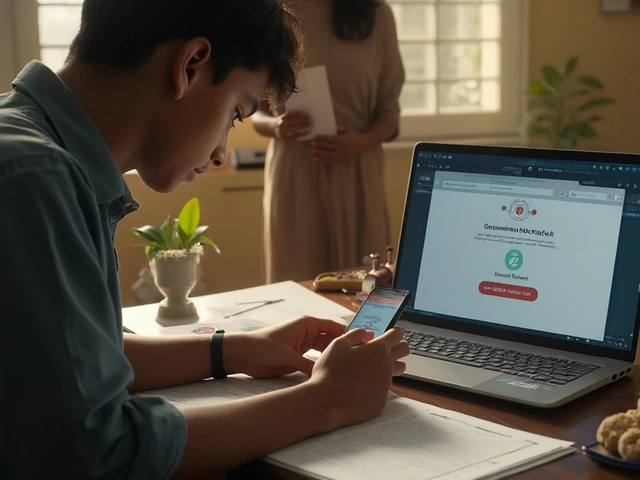
E-Learning Setup: How to Build a Realistic Online Learning System
When you hear e-learning setup, a structured approach to delivering education through digital tools. Also known as online learning infrastructure, it isn't just about uploading videos or buying a platform—it's about designing a system that keeps learners engaged, tracks progress, and actually helps people learn. Too many people think e-learning setup means downloading an app and calling it done. But if your students log in once and never come back, you don’t have an e-learning setup—you have a digital graveyard.
Real e-learning setup requires three things: the right LMS, a platform that manages course content, assignments, and student progress, the right MOOC, a large-scale online course designed for open access and wide participation, and a clear reason why students should care. LMS platforms like Moodle or Google Classroom help teachers organize lessons and check who’s falling behind. MOOCs, like those from Coursera or edX, give learners access to world-class content—but only if they’re matched with the right learner goals. You can’t just throw a Harvard lecture at a student in rural India and expect results. You need to connect the content to their reality.
What makes e-learning setup work isn’t the tech—it’s the design. Who’s using it? Students preparing for JEE or UPSC? Teachers in small towns needing training? Corporate employees upskilling? Each group needs a different setup. A student cramming for exams needs bite-sized quizzes and flashcards. A teacher learning new methods needs downloadable guides and peer feedback. A professional switching careers needs project-based learning with deadlines. Your e-learning setup must match the user, not the other way around.
And don’t forget the human side. No app replaces a good teacher. The best e-learning setups include ways for learners to ask questions, get feedback, and feel connected. That’s why some of the most successful platforms blend automated lessons with live Q&A sessions, discussion groups, or mentor check-ins. The goal isn’t to replace people—it’s to support them better.
What you’ll find below are real examples of how people in India are actually building e-learning systems that work. From parents setting up home study spaces for competitive exams, to coaching centers using LMS to manage thousands of students, to freelancers using MOOCs to switch careers—these aren’t theory pieces. They’re stories from the front lines. You’ll see what tools actually get used, what fails, and what keeps learners coming back. No fluff. No buzzwords. Just what works.