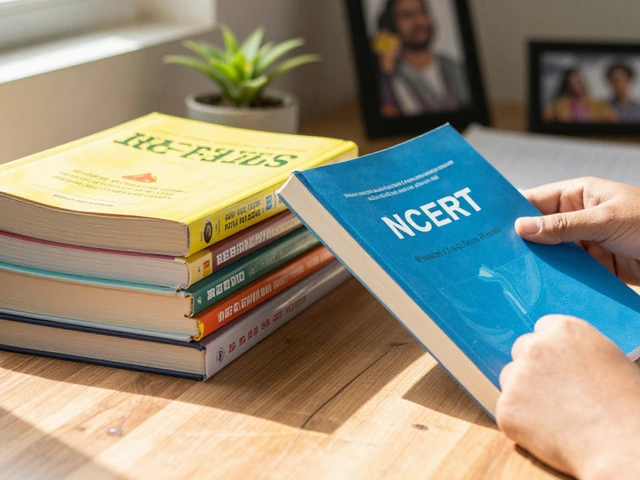
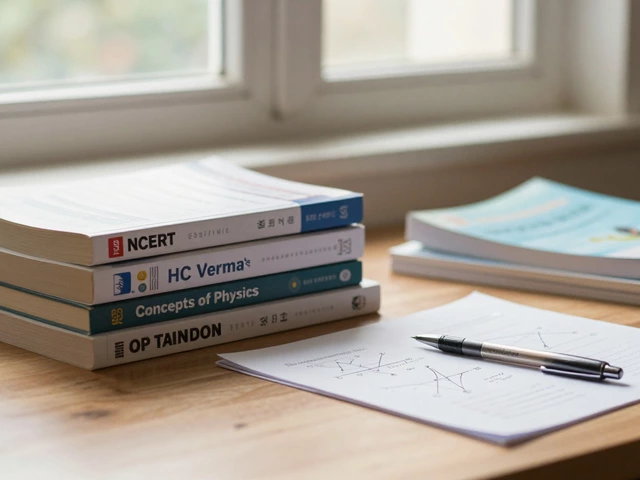
CBSE Syllabus Comparison: NCERT vs Reference Books for Class 10 & 12
Stop guessing which books to buy. Learn how to balance NCERT and reference materials for maximum marks in CBSE Class 10 and 12 exams.
When you think about education in India, the system that serves over 250 million students, blending public schools, elite institutes, and growing vocational options. Also known as Indian schooling, it’s not one system—it’s dozens of paths, from village classrooms to global universities. At the heart of it all is the CBSE board, the most popular school board in the world with over 20 million students, known for its clear syllabus, exam focus, and wide acceptance. Also known as Central Board of Secondary Education, it’s the default choice for families who want their kids to take JEE, NEET, or apply to universities abroad. CBSE isn’t just a curriculum—it’s a gateway. Whether you’re in Delhi or Dubai, if you’re studying under CBSE, you’re on a track that leads straight to competitive exams and international colleges like Harvard.
But not everyone wants to take the JEE or NEET route. That’s where vocational training, hands-on learning that prepares students for skilled jobs like electricians, chefs, IT support, or nursing—without a four-year degree. Also known as skill-based education, it’s gaining serious traction in India as employers struggle to find qualified workers. Unlike academic education, which focuses on theory and exams, vocational training gives you tools you can use on day one. You can start at 16, earn while you learn, and make more than many graduates. And it’s not just for trades—it includes digital skills, healthcare support, and even tourism management. Meanwhile, IITs, India’s top engineering institutes that produce engineers, researchers, and tech founders with global impact. Also known as Indian Institutes of Technology, they’re the dream for millions, but only a tiny fraction make it in. There are 23 IITs today, and each one is a feeder into top tech firms, startups, and even Silicon Valley.
And then there’s the bigger picture: what happens after school? Many Indian students look abroad—to the UK, USA, Australia, or even cheaper options like Germany and Malaysia. study abroad, the path taken by students seeking better opportunities, lower costs, or different teaching styles outside India. Also known as international education, it’s no longer just for the rich. You don’t need to be from a metro city or have a perfect 95% score. CBSE students get into Harvard. Students from small towns land scholarships in Canada. Vocational graduates find work in the UK with better pay than many Indian engineers. The real question isn’t whether you can go abroad—it’s which path fits your goals, your budget, and your strengths.
Below, you’ll find real stories, hard numbers, and straight talk about what actually works in Indian education today. Whether you’re a parent deciding between CBSE and ICSE, a student weighing IIT against a trade school, or someone thinking about studying overseas—you’ll find answers that cut through the noise. No fluff. Just what you need to decide your next step.
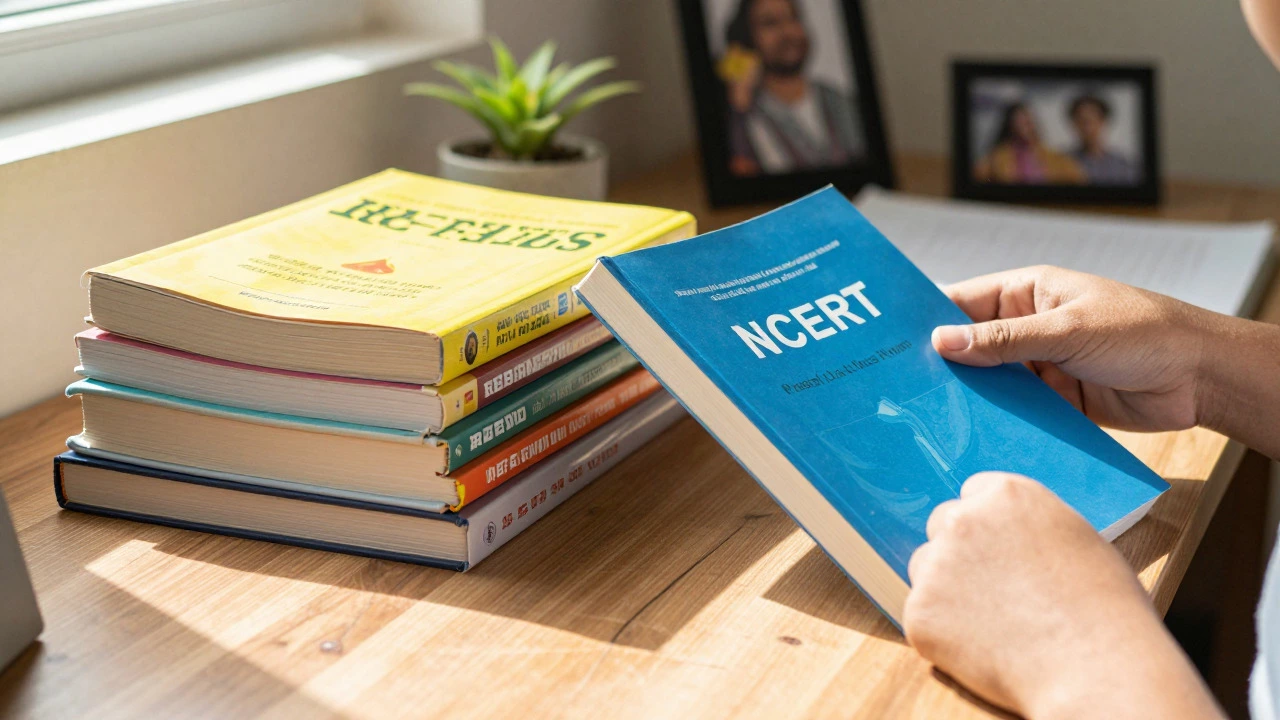
Stop guessing which books to buy. Learn how to balance NCERT and reference materials for maximum marks in CBSE Class 10 and 12 exams.
A complete guide to CBSE schools in India, explaining the Central Board of Secondary Education, its syllabus, affiliation process, and how it compares to other boards like ICSE.
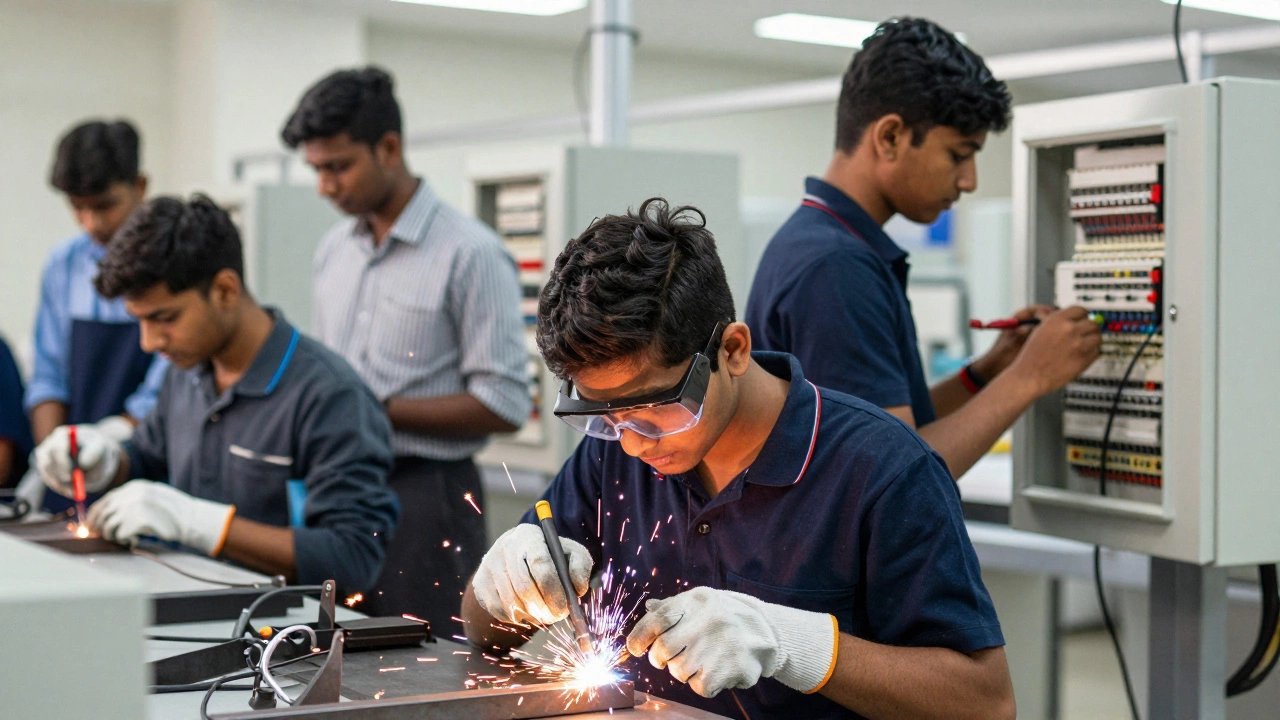
Confused by education terms? Discover what else vocational schools are called, including trade schools, technical colleges, and career institutes. Learn how each option differs in cost, duration, and career outcomes.
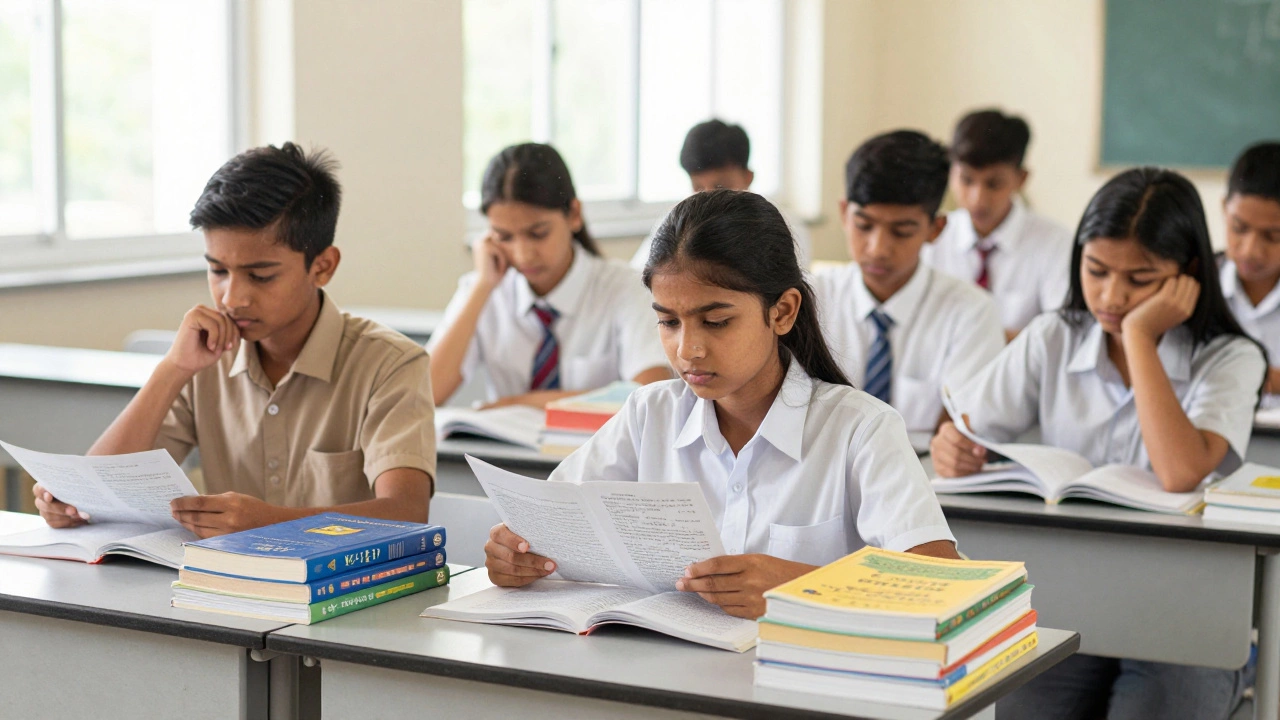
Discover which Indian school board is truly the easiest. We compare CBSE, ICSE, State Boards, and IB to help you choose the right path for your academic goals.
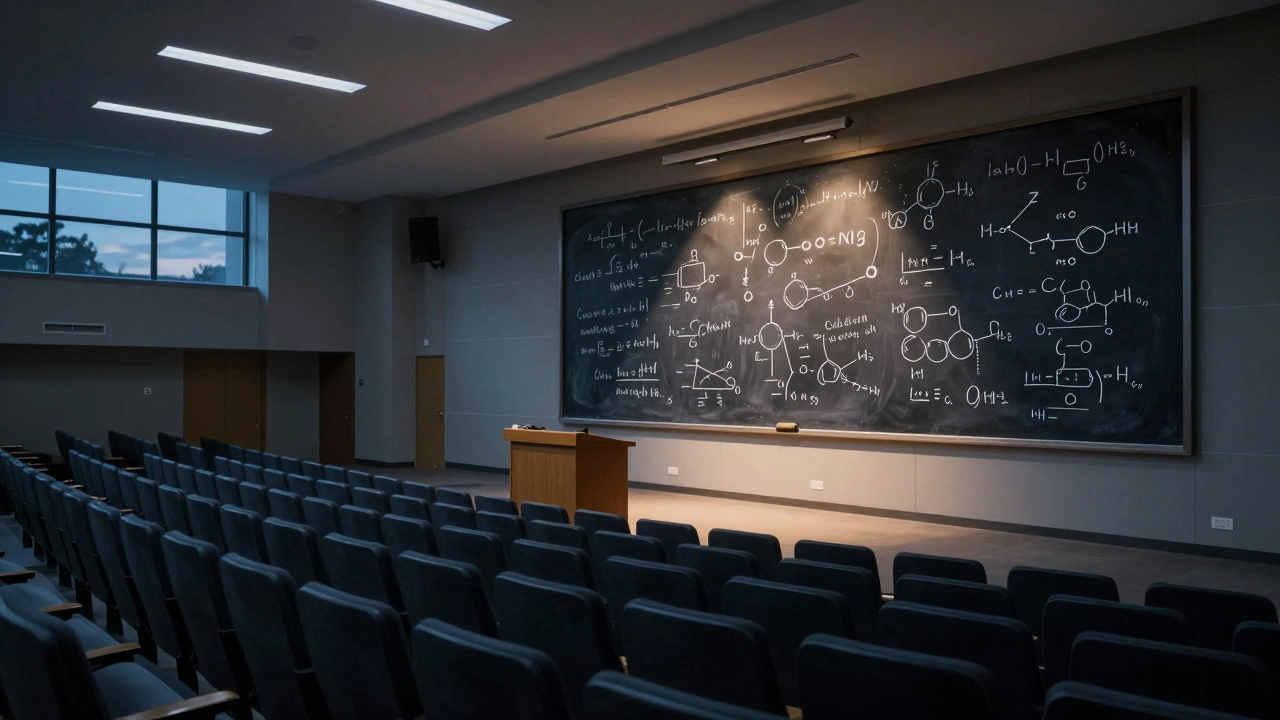
Discover the hardest classes in America, from MIT's Quantum Mechanics to Harvard's Organic Chemistry. We analyze why these courses are difficult, compare STEM vs Humanities rigor, and offer tips to survive the toughest academic challenges.

Discover which scholarship exam is truly the 'highest' and most valuable. We break down top global options like SAT, GRE, GMAT, and prestigious awards like Rhodes and Chevening to help you choose the right path.

Discover which subject is considered the hardest in the CBSE syllabus. We analyze Math, Science, and Languages to help you overcome academic challenges effectively.

The toughest degrees in India-engineering, medicine, and Chartered Accountancy-demand relentless discipline. CBSE students face grueling exams and years of non-stop pressure. Here's what really happens behind the scenes.
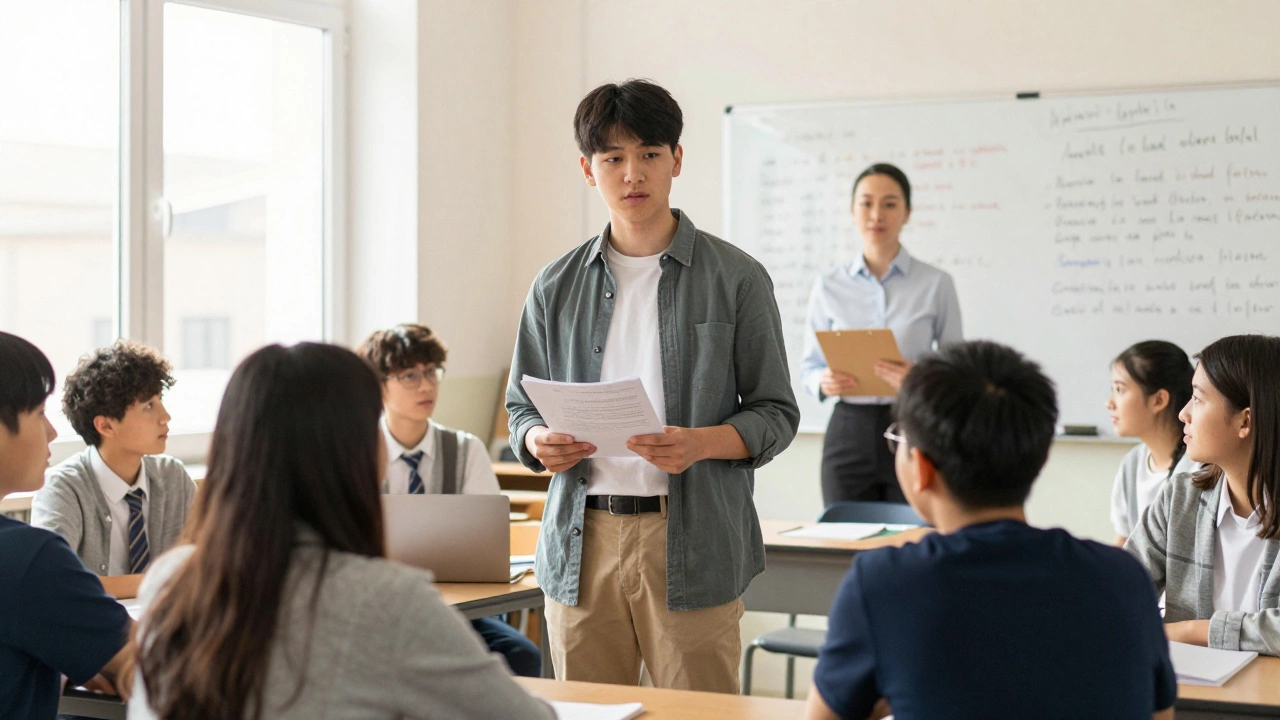
A teacher in training is someone actively learning to teach through supervised classroom experience and formal training. Find out what they do, how to qualify, and why it's a demanding but rewarding career path.

The fastest way to become a teacher in the UK is through a salaried SCITT or Teach First programme - you can qualify in just 9 months with no tuition fees and a salary while you train.
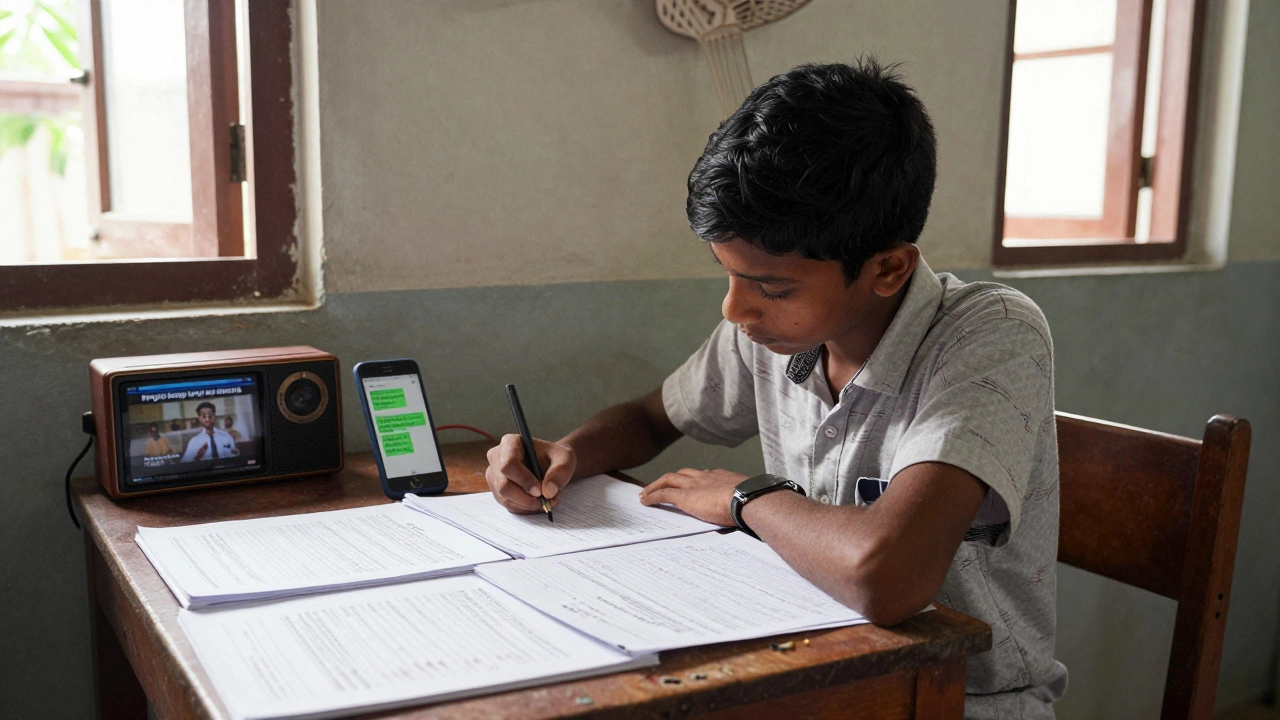
Distance education is a structured, accredited learning model where students and teachers are physically separated. It's not just online videos - it requires enrollment, curriculum, assessments, and recognized qualifications.

Discover the real cost of studying abroad in 2025, from tuition and rent to visas and hidden fees. Compare prices by country and learn how to budget without going broke.