How Many Hours a Week Do Coders Work? A Realistic Guide
Discover the real weekly work hours for coders, from full-time jobs to freelancing. Learn how many hours you need to study coding and tips to avoid burnout.
When you start with coding classes, structured learning paths designed to teach you how to write instructions computers understand. Also known as programming courses, they range from free YouTube tutorials to expensive bootcamps that promise job placement. But not all coding classes are the same. Some focus on typing out syntax, others on solving real problems. The best ones teach you how to think like a developer, not just copy code.
What you learn in a coding class, a guided program that teaches programming skills through exercises and projects depends on what you want to do. Want to build websites? Start with HTML, CSS, and JavaScript. Interested in data or AI? Python is your go-to. Some people mix up coding, the act of writing lines of code. Also known as programming, it's often used interchangeably with programming, the broader process of designing, testing, and maintaining software systems. But here’s the truth: coding is just one part of programming. A good class teaches both.
Cost is another big factor. You’ll find coding bootcamps, intensive, short-term training programs that prepare students for tech jobs charging thousands, while others like freeCodeCamp or Khan Academy cost nothing. Why the gap? It’s not just about content—it’s about support, mentorship, and job help. A $500 course might give you videos and quizzes. A $10,000 bootcamp might pair you with a coach, help you build a portfolio, and connect you with employers. Knowing what you’re paying for makes all the difference.
And yes, math matters—but not like you think. You don’t need calculus to build a website. But understanding logic, patterns, and how to break problems down? That’s essential. Many beginners quit because they think they need to be math geniuses. They’re not. They just need patience and practice. The right class will show you how to learn step by step, not drown you in theory.
Whether you’re trying to switch careers, build your own app, or just understand how tech works, there’s a coding class out there for you. The trick is knowing what to look for. Below, you’ll find honest guides on which languages to pick, how long it really takes to get good, what you’ll actually pay, and how to avoid the traps that waste time and money. No fluff. No hype. Just what works.

Discover the real weekly work hours for coders, from full-time jobs to freelancing. Learn how many hours you need to study coding and tips to avoid burnout.
Discover the real timelines for coding school. From 12-week bootcamps to multi-year degrees, we break down how long it really takes to become a hireable developer.

Confused about which coding language to learn first? We compare Python, JavaScript, Java, and more to help you pick the best path for your career goals in 2026.
Does coding actually pay well in 2026? We break down realistic salary ranges, the highest-paying languages, and how AI is changing the pay scale for developers.

Explore the best coding languages for beginners in 2026. Compare Python and JavaScript for career growth, ease of learning, and job opportunities.

Self-taught coders absolutely get hired in 2026-but only if they can prove they can build real solutions. Learn what actually matters to employers and how to stand out without a degree.

Python isn't hard to learn - it's just different. Beginners succeed not because they're smart, but because they keep going. Here's what actually matters when starting out.
Yes, coders can be self-taught-and many of today’s top developers are. This guide shows how to learn coding without classes, build a portfolio, and land your first job using real strategies that work.
Discover the best coding classes for beginners and advanced learners in 2025. Learn which platforms deliver real skills, what to avoid, and how to land a job without spending thousands.
Discover the most beginner-friendly programming languages, how to pick the right one, and the best resources to start coding today.
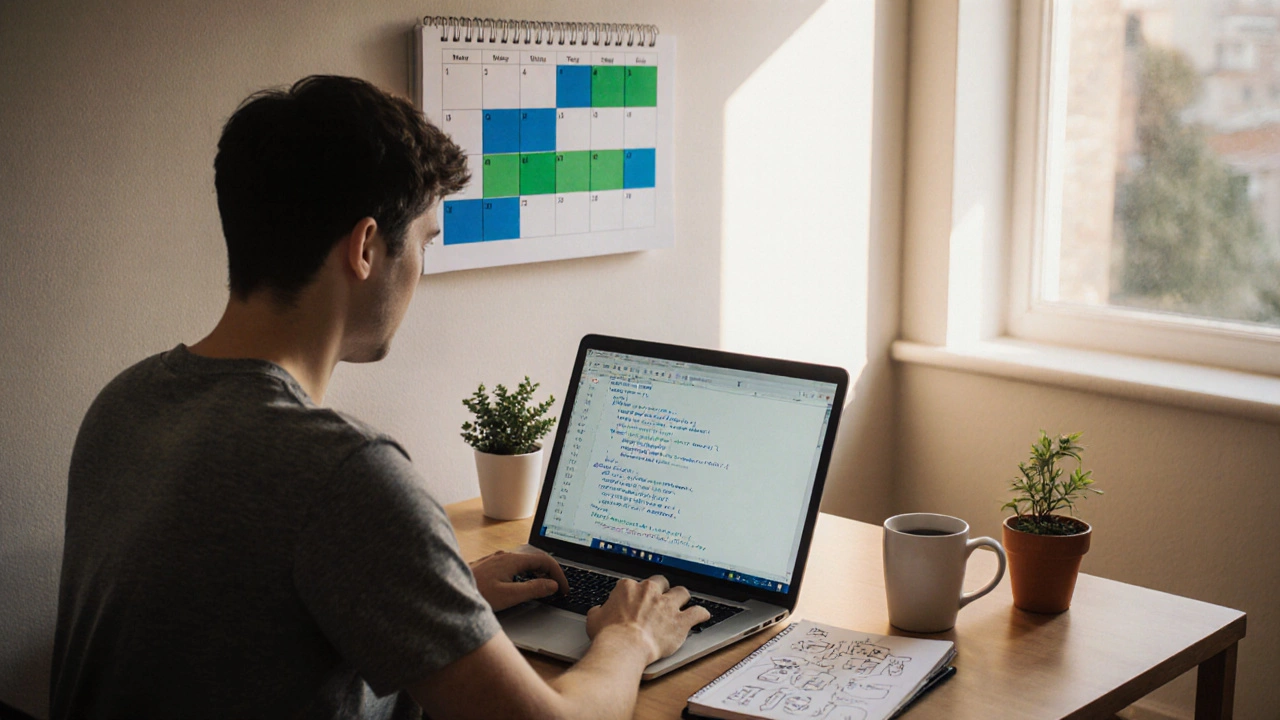
Find out if you can truly learn coding in 3 months, with a realistic timeline, tools, a week‑by‑week roadmap, and tips to avoid common pitfalls.

People often throw around 'programming' and 'coding' like they're the same thing, but there's a real difference. This article breaks down what separates coding from programming, digs into why the difference matters, and helps you pick where to start. You'll find advice for beginners, plus honest insights that can save you time and frustration. If you're thinking about jumping into a coding class or just want to know which skill opens the best doors, this read is for you.