Virtual Classrooms: How Online Learning Is Changing Education in India
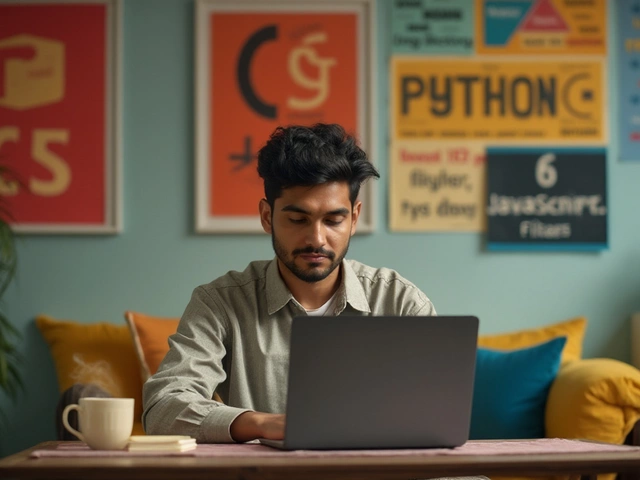
When you think of a virtual classroom, a digital space where teachers and students interact in real time using video, chat, and shared tools. Also known as digital classroom, it replaces the traditional whiteboard with a screen and turns homework into interactive assignments. This isn’t science fiction—it’s happening right now in living rooms, village schools, and coaching centers across India. With internet access growing fast and mobile data becoming cheap, virtual classrooms are no longer a luxury for city kids. They’re becoming the new normal for millions.
What makes a virtual classroom work isn’t just the tech. It’s the way it connects students to teachers who might be hours away, gives access to recorded lessons for revision, and lets learners pause, rewind, and rewatch until it clicks. For someone preparing for JEE Mains or NEET, this means extra practice sessions at 10 PM without rushing to a coaching center. For a parent in a small town, it means knowing their child isn’t falling behind just because there’s no nearby tutor. Platforms like LMS and MOOCs, which we’ve covered in other posts, are the backbone of this system. They don’t just host videos—they track progress, send reminders, and even flag when a student is struggling.
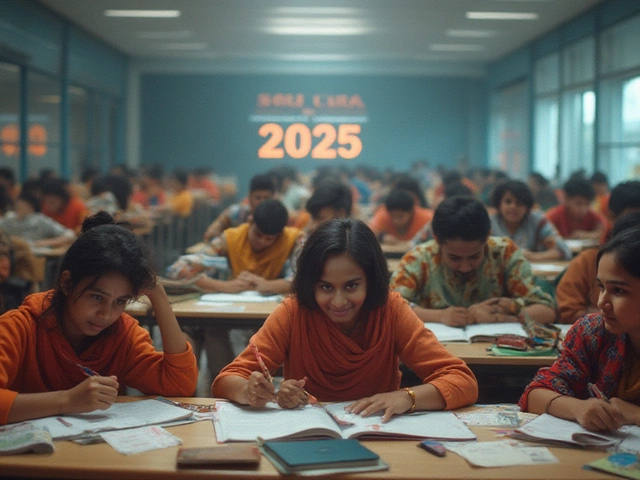
But it’s not perfect. A virtual classroom can’t fully replace the energy of a live discussion or the quiet focus of a library. Some students zone out without the structure of a physical classroom. Others lack a quiet space or reliable device. Yet, the trend is clear: education is shifting. Even government schools are testing hybrid models. The toughest exams in India—like UPSC and IIT JEE—are now being prepared for mostly online. Coaching institutes that once relied on packed halls now run entire courses through Zoom and WhatsApp groups. And the apps students use to study? Many of them are built around virtual classroom features: live doubt-solving, peer quizzes, and real-time feedback.
What you’ll find in this collection are real stories and hard facts about how virtual classrooms are being used—and misused—in India. From parents who saved money by switching from coaching centers to online courses, to students who cracked the UPSC exam using only free YouTube lectures and a second-hand tablet. You’ll see which platforms actually help, which ones just look flashy, and how to make the most of a screen when your textbook is still your best friend.