Three Main Types of E‑Learning Platforms Explained
Explore the three main types of e‑learning platforms-LMS, MOOC, and corporate training solutions-learn their features, key differences, and how to choose the right one for your needs.
When you think of online learning types, the different ways people study over the internet, including live classes, recorded videos, and interactive platforms. Also known as e-learning, it’s no longer just a backup plan—it’s the main way millions of students in India prepare for exams, learn coding, or build new skills. Not all online learning is the same. Some feel like sitting in a real classroom, while others let you learn at 2 a.m. in your pajamas. The right type depends on your goal, schedule, and how you learn best.
There are three big online learning types, the main formats used in digital education: live virtual classrooms, self-paced courses, and hybrid models that mix both. Virtual classrooms are real-time sessions with teachers, like the ones used by NEET and JEE coaching institutes. You ask questions, get feedback, and stay accountable. Then there’s self-paced learning, when you control the clock—watch videos, take quizzes, and revisit lessons whenever you want. This is what most people use for learning coding, English, or MBA prep apps. And then there’s the hybrid version—some live sessions, some recorded content—which many top platforms now offer to balance structure and flexibility.
Why does this matter? Because picking the wrong type can waste your time and energy. If you need discipline and instant answers, a self-paced course won’t cut it. If you’re working full-time and only have 30 minutes a day, live classes might burn you out. The best learners match the format to their life. Look at what’s working for others: students using online learning types to crack UPSC with YouTube playlists, engineers learning Python through app-based drills, or parents helping kids with CBSE through recorded lessons. These aren’t just trends—they’re proven methods.
You’ll find posts here that break down what actually works—like which apps deliver real results for competitive exams, how people manage to learn coding in 3 months using self-paced tools, and why some virtual classrooms feel more like torture than teaching. No fluff. No hype. Just real stories from students who’ve tried it all and found what sticks.
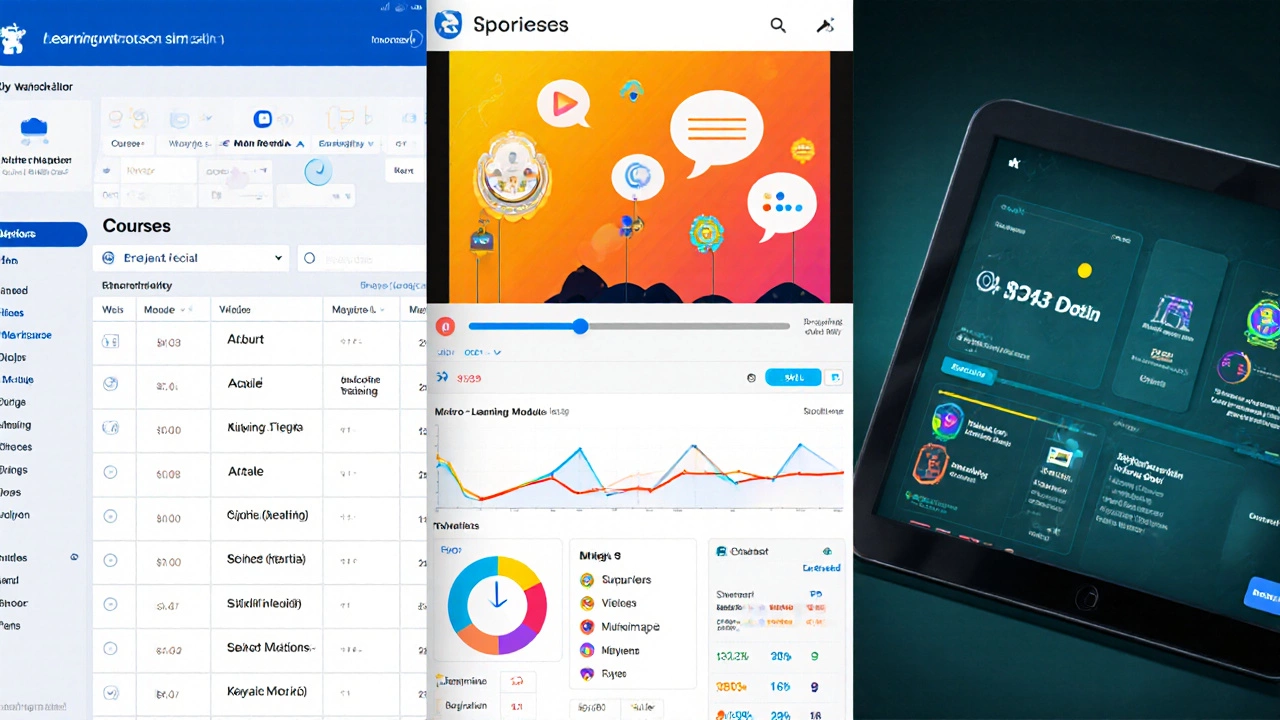
Explore the three main types of e‑learning platforms-LMS, MOOC, and corporate training solutions-learn their features, key differences, and how to choose the right one for your needs.