Online Coding: Learn to Code for Free, Build Skills, and Start Your Career
When you hear online coding, the practice of learning programming through digital platforms instead of classrooms. Also known as web-based programming education, it’s how millions of people—from teens to career changers—start building apps, websites, and tools without enrolling in college. You don’t need a degree. You don’t need to pay thousands. You just need a laptop, some time, and the will to keep going.
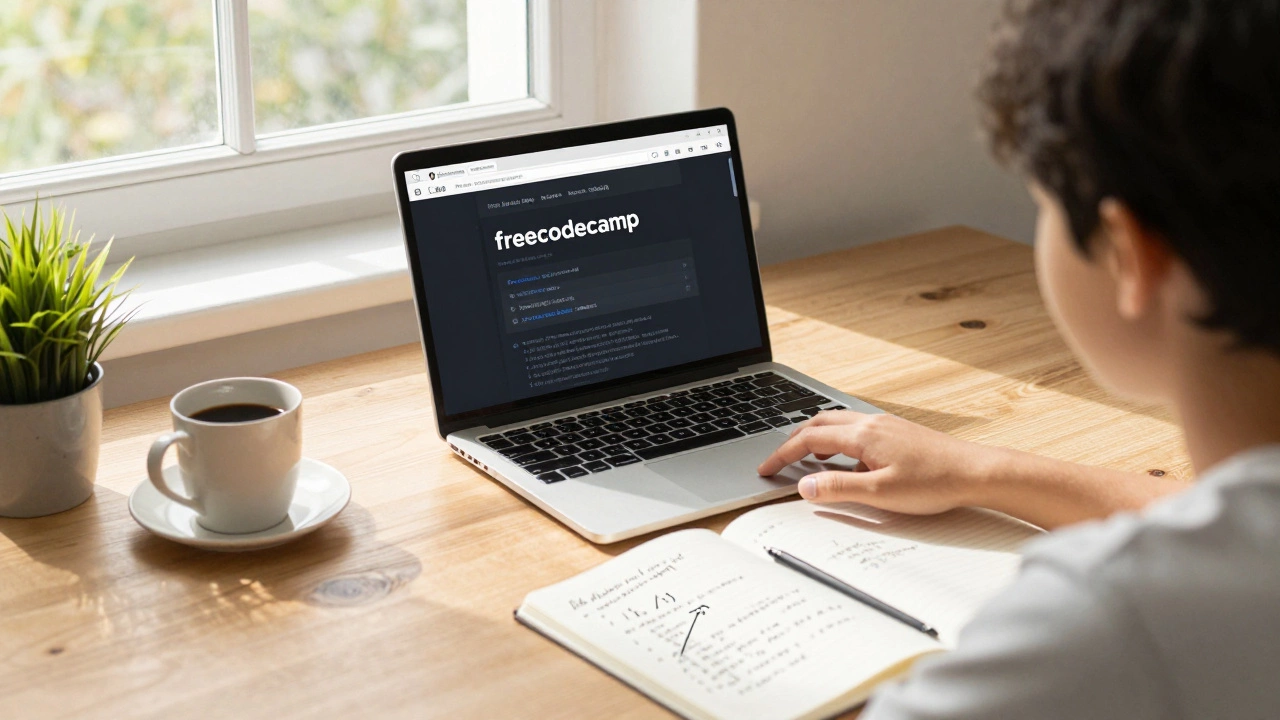
Online coding isn’t just about typing commands. It’s about solving problems, thinking logically, and breaking big tasks into small, manageable steps. The most popular tools for this? Free platforms like Codecademy, interactive websites that teach coding through hands-on exercises, freeCodeCamp, a nonprofit site that offers full curriculum paths from HTML to JavaScript, and even YouTube tutorials that walk you through real projects. These aren’t theory-heavy lectures—they’re do-it-yourself labs where you build something real by the end of the day.
What languages should you start with? For absolute beginners, Python is the go-to because it reads like plain English. JavaScript comes next if you want to make websites interactive. And if you’re aiming for mobile apps, Swift or Kotlin are your best bets. But here’s the truth: the language matters less than the habit. People who stick with it don’t pick the "best" language—they pick one and keep coding, even when it’s frustrating.
Many think you need to be a math genius to code. You don’t. What you need is patience and the ability to read error messages without giving up. Most beginners quit not because it’s too hard, but because they expect to learn everything in a week. Real progress happens over months—not days. That’s why guides like "Learn Coding in 3 Months" work: they set realistic goals, break the journey into weekly steps, and show you what to do when you hit a wall.
And yes, you can get hired without a degree. Companies now care more about what you can build than where you went to school. A GitHub profile with a few clean projects, a portfolio website, and the ability to explain your code beats a resume full of fancy degrees every time. That’s why so many posts here focus on practical paths—like how to pick your first programming language, what free resources actually deliver, and how to avoid wasting time on outdated tutorials.
Online coding opens doors—to tech jobs, freelance gigs, side hustles, and even starting your own app. But it’s not magic. It’s practice. It’s showing up every day, even for 20 minutes. It’s fixing one bug at a time until you realize you’ve built something you couldn’t have imagined three months ago.
Below, you’ll find real guides from people who’ve been there: how to start from zero, what tools actually help, how to stay motivated, and which free courses lead to real skills—not just certificates. No fluff. No hype. Just what works.