Online Classroom: What It Really Takes to Learn Online in India
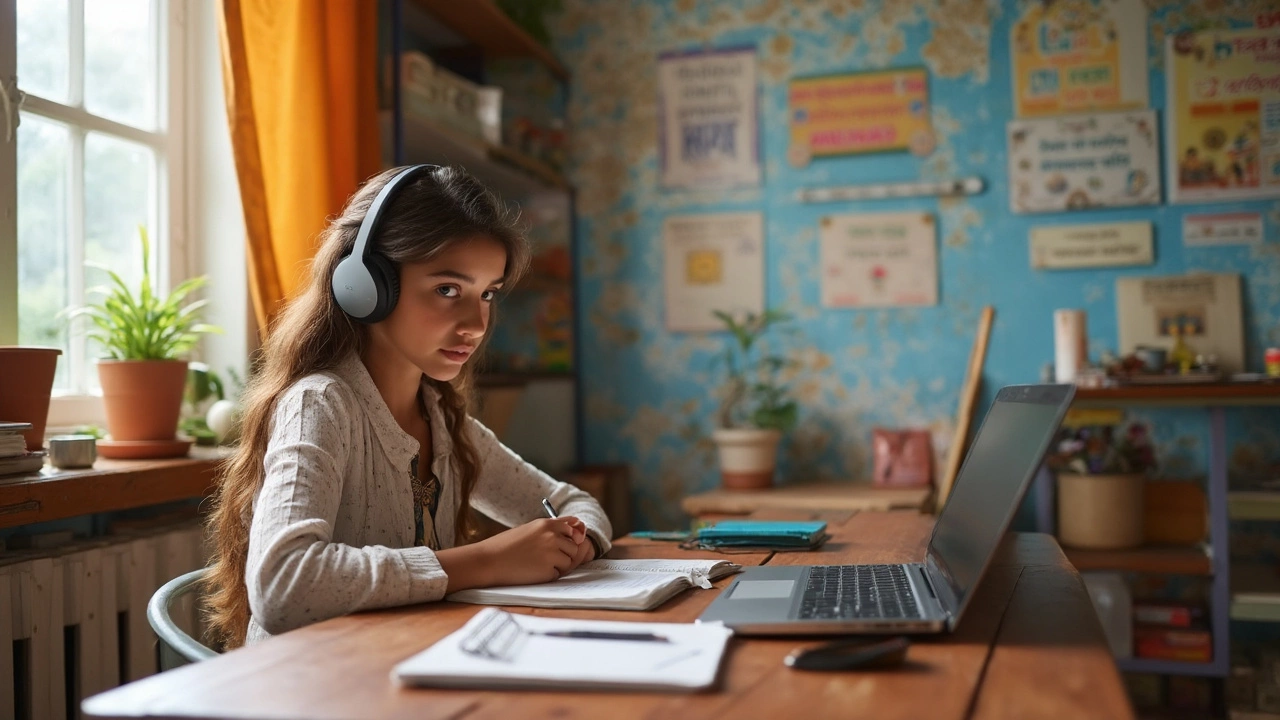
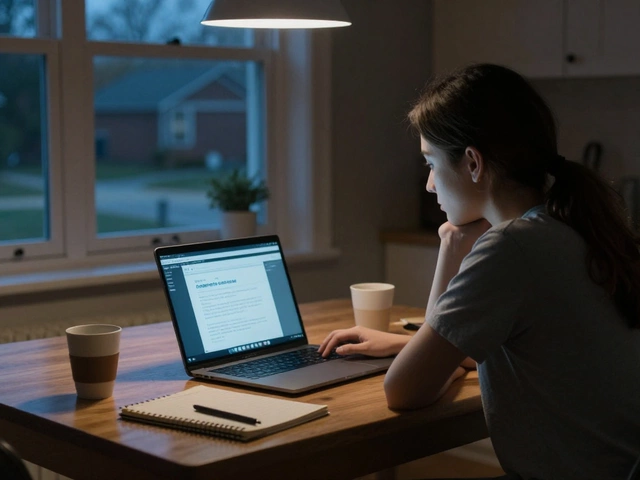
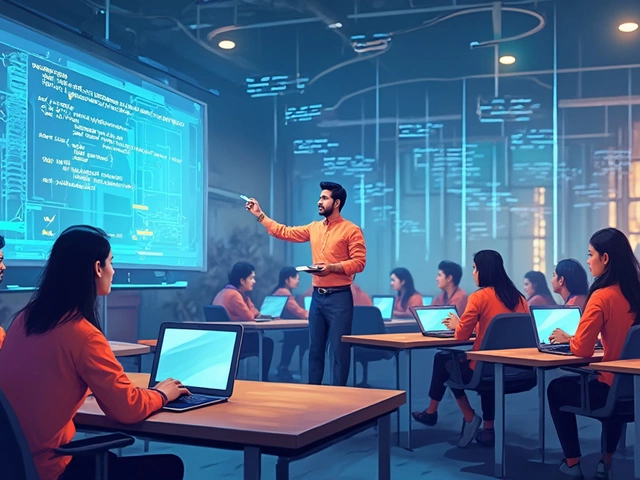
When you think of an online classroom, a digital space where teachers and students connect in real time for lessons, assignments, and feedback. Also known as virtual learning environment, it’s no longer just a backup plan—it’s the main stage for millions of Indian students, from rural towns to metro cities. It’s not just Zoom calls and recorded videos. A real online classroom needs structure, interaction, and tools that actually work on low-bandwidth connections. Many schools and coaching centers in India have shifted to this model, but not all of them do it well.
What makes an e-learning platform, a system that delivers courses, tracks progress, and manages student data digitally. Also known as LMS or learning management system, it works best when it’s simple, mobile-friendly, and doesn’t crash when 500 students log in at once. You’ll see this in posts about top NEET coaching apps or best competitive exam prep tools—because the platform matters as much as the teacher. Then there’s digital education, the broader shift from physical textbooks and blackboards to screens, apps, and interactive content. It’s not just about replacing paper with pixels. It’s about redesigning how learning happens—when students can replay a tough math problem, get instant feedback on a quiz, or join a live doubt-solving session from their phone.
But here’s the truth: most online classrooms in India still feel like watching a lecture on mute. The best ones? They mimic the energy of a real classroom—teachers asking questions, students raising their hands (even if it’s a chat box), group projects, peer feedback, and real-time grading. That’s what separates the ones that stick from the ones that get ignored. You’ll find posts here that break down what actually works: which apps help students stay focused, how teachers manage attendance without tracking every click, and why some online coaching centers have success rates higher than physical ones.
And it’s not just for students. Parents are learning how to support learning at home, teachers are retraining to teach digitally, and even government programs are trying to scale this up. The online classroom isn’t a trend—it’s becoming the new normal. But only if it’s built right. Below, you’ll find real stories, tools, and data from Indian students and educators who’ve been through it. No fluff. Just what helps, what doesn’t, and why.