Does Harvard Accept CBSE Students? Admission Facts and Application Tips
Find out if Harvard accepts students from the CBSE board, how the process works for Indian applicants, and tips to boost your admission chances.
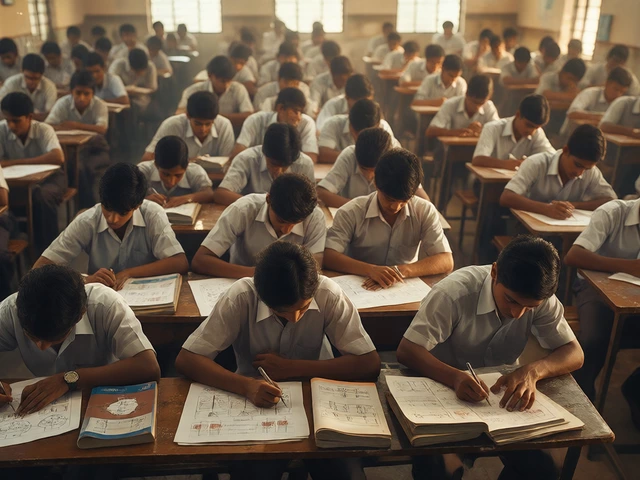
When we talk about Indian students, millions of young people in India navigating a high-stakes education system driven by standardized testing, parental expectations, and limited seats in top institutions. Also known as students in India’s competitive education landscape, they’re not just studying—they’re competing for a future that often hinges on a single exam score. This isn’t just about hard work. It’s about resilience, timing, and knowing which battles to fight.
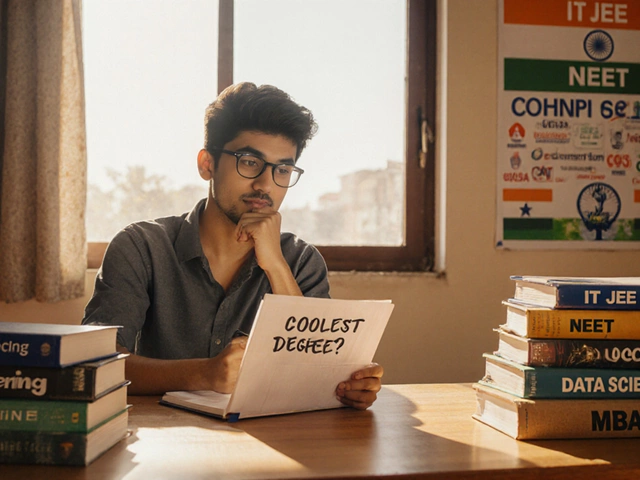
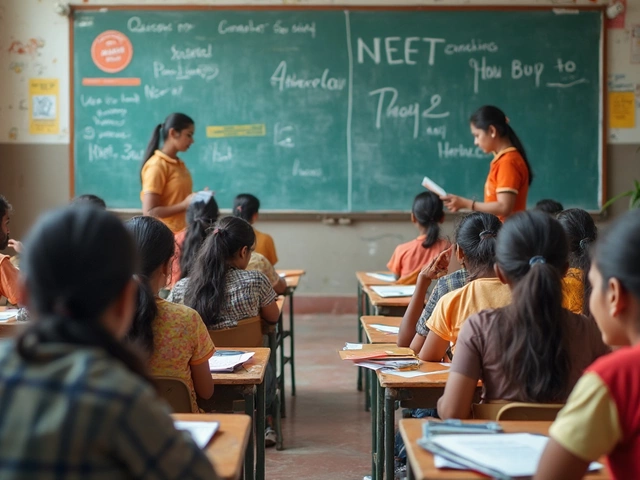
CBSE board, the most widely used school curriculum in India with over 20 million students sets the foundation. Its standardized syllabus aligns directly with national exams like JEE Mains, the gateway to India’s top engineering colleges, and UPSC Civil Services Exam, the notoriously difficult test that selects India’s top bureaucrats. These aren’t just tests—they’re life-defining events. A student might spend years preparing for JEE Mains, then pivot to UPSC after college, all while balancing family pressure, coaching costs, and mental fatigue.
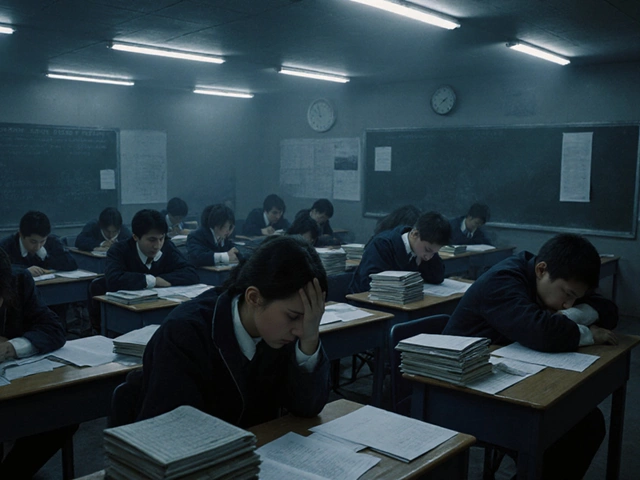
The pressure isn’t just academic. It’s emotional, financial, and social. Many Indian students start preparing for competitive exams as early as 10th grade. They give up hobbies, social events, and sometimes even sleep. But success doesn’t always come from being the smartest—it comes from being the most consistent. Pattern recognition, time management, and mental stamina matter more than raw intelligence. That’s why the best performers aren’t always the ones who ace every mock test—they’re the ones who show up the next day after failing.
What makes Indian students unique isn’t just their workload—it’s their adaptability. They switch between coaching centers and YouTube tutorials. They learn coding on free apps while preparing for NEET. They take gap years to reattempt exams. They move cities for better coaching. They’re not passive learners—they’re problem solvers in a system that doesn’t always give them the tools.
Below, you’ll find real stories and data about what Indian students actually deal with: the exams they fear, the degrees that help or hurt, the apps they rely on, and the hidden costs of chasing success. No fluff. Just what works—and what doesn’t.
Find out if Harvard accepts students from the CBSE board, how the process works for Indian applicants, and tips to boost your admission chances.