How to Set Up an Effective Learning Station at Home
Learn how to create a functional learning station at home with step‑by‑step guidance on space, furniture, lighting, tech, and organization for any age.
When you’re preparing for competitive exams like JEE, NEET, or UPSC, your home study area, a dedicated space where you focus on learning without distractions isn’t just a desk and a chair—it’s your battlefield. It’s where you turn hours of effort into real progress. And if your space is messy, noisy, or uncomfortable, no amount of motivation will save you. Your environment shapes your focus, your energy, and even your sleep. This isn’t theory. It’s what top scorers already know.
A good home study area, a dedicated space where you focus on learning without distractions doesn’t need to be big. It just needs to be consistent. Think of it like a gym for your brain—you don’t train in a crowded hallway. You need a spot where your mind knows, ‘This is where I work.’ That’s why students who study in the same corner every day, even if it’s just a table by the window, outperform those who switch between the couch, bed, and kitchen. Your brain forms habits based on location. A fixed spot triggers focus mode automatically.
It’s not just about the desk. Lighting matters. If you’re squinting at notes under a dim bulb, your eyes tire out faster—and so does your brain. Noise control is just as important. In many Indian homes, background chatter, TV, or siblings playing can break concentration. Headphones aren’t a luxury here; they’re a tool. And don’t forget the little things: water within reach, a charger nearby, no clutter on the surface. These aren’t luxuries—they’re the small wins that add up over months of prep.
Some students think they need fancy gadgets or a whole room to study well. That’s a myth. What you need is clarity: a place where you can open your books and start working without thinking. That’s the power of a real home study area, a dedicated space where you focus on learning without distractions. It removes friction. It turns intention into action. And when you’re studying for exams that only a few thousand pass each year, removing friction is the difference between giving up and getting through.
What you’ll find below are real stories and practical setups from students who cracked tough exams—not because they had perfect rooms, but because they built spaces that worked for their lives. Some studied in shared bedrooms. Others used balconies. A few turned their kitchen counter into a study zone after dinner. Each one solved the same problem: how to stay focused in a noisy, busy world. You’ll see what tools they used, what they avoided, and how they made their space stick. No fluff. Just what works.
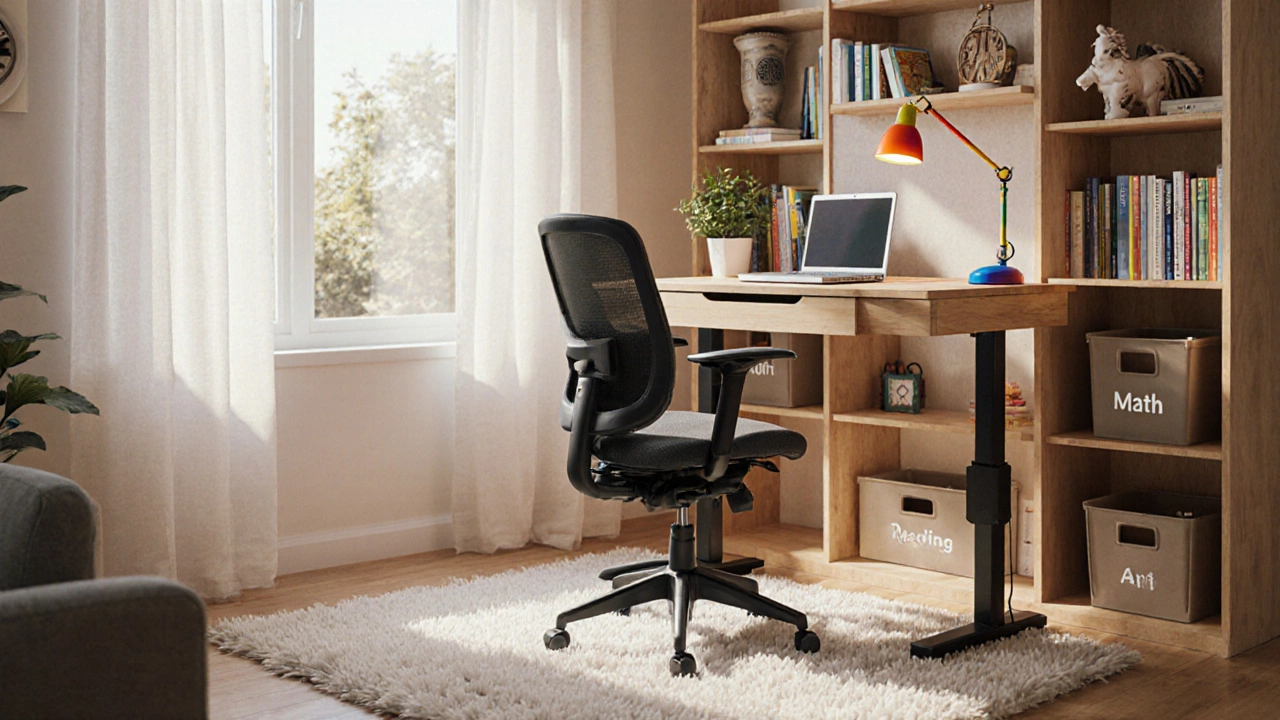
Learn how to create a functional learning station at home with step‑by‑step guidance on space, furniture, lighting, tech, and organization for any age.