Education in India
When you think about Education in India, a vast, layered system shaped by tradition, competition, and rapid change. It’s not just schools and colleges—it’s the Indian education system that pushes millions through grueling exams, shapes careers before age 18, and turns classroom pressure into national conversation. This system isn’t one-size-fits-all. It includes public schools under the CBSE board, the most popular school board in the world with over 20 million students, private institutions, vocational centers, and coaching hubs that operate like factories for competitive exams. What makes it unique isn’t just scale—it’s how deeply exam results tie into life outcomes.
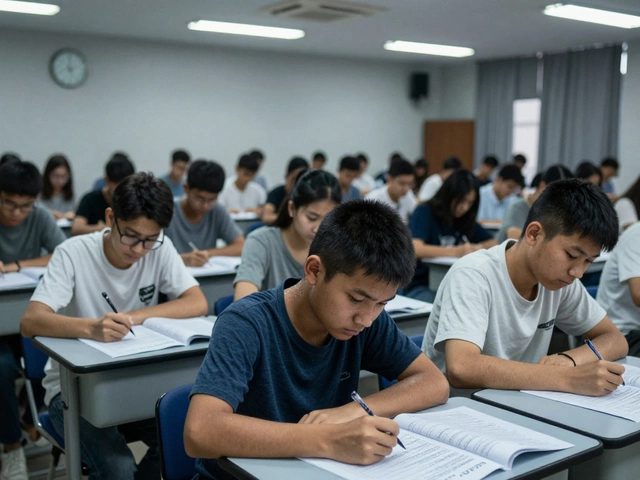
Success here often means surviving the UPSC Civil Services Exam, one of the toughest tests on the planet, where less than 0.1% of applicants make it, or cracking the IIT JEE Advanced, a test so intense it demands years of sleepless preparation. These aren’t just exams—they’re gatekeepers to government jobs, elite engineering colleges, and social mobility. Meanwhile, the MBA in India, a popular path for career changers and mid-career professionals is growing fast, especially among those over 30 who want to pivot into leadership. But you don’t need a business degree to get in—schools now value diverse backgrounds, from engineering to the arts.
Behind every success story is a web of choices: which board to follow, whether coaching is worth the cost, if an MBA after 30 still pays off, or whether a degree in literature helps with UPSC. The system rewards persistence more than pedigree. It’s not about having the best resources—it’s about knowing where to focus. Below, you’ll find real stories from people who’ve navigated this maze: the student who cracked JEE without coaching, the engineer who switched to medicine, the 35-year-old who got into Harvard, and the teacher who found a better path through vocational training. These aren’t hypotheticals—they’re lived experiences. And they’re the only guide you really need.