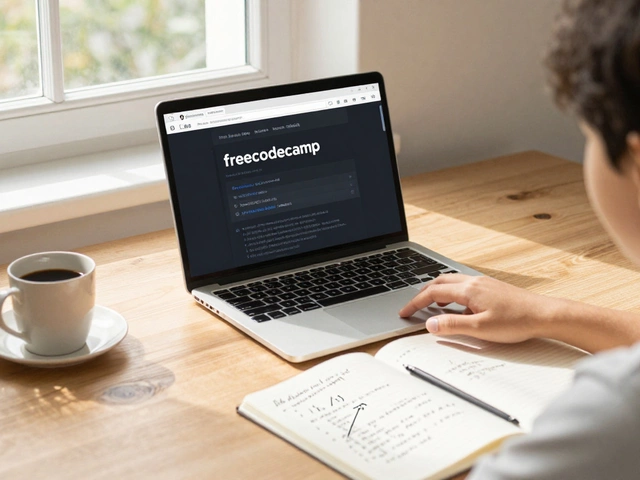
Easy Certification: Quick Credentials That Actually Matter
When people talk about easy certification, a short-term, low-barrier credential that validates a specific skill without requiring years of study. Also known as micro-credential, it’s becoming a go-to for people looking to switch jobs, add value to their resume, or test a new field without quitting their day job. The idea isn’t to replace degrees—it’s to fill the gaps between what schools teach and what employers actually need.
Many online certifications, short, focused programs delivered through digital platforms that teach practical skills like data entry, digital marketing, or basic coding are designed to be completed in weeks, not years. They’re often self-paced, affordable, and accepted by companies that care more about what you can do than where you went to school. Platforms like Coursera, Udemy, and Google Career Certificates have made these accessible to anyone with an internet connection. You don’t need a background in IT to get a Google IT Support Certificate. You don’t need a business degree to earn a Meta Digital Marketing Certificate. These aren’t fluff—they’re tools that get noticed by hiring managers.
But not all easy certifications are equal. Some are just paid badges with no real value. The ones that work? They’re tied to clear outcomes: job placements, industry recognition, or skills employers are actively hiring for. Look for certifications backed by big names—Microsoft, Amazon, HubSpot, or LinkedIn Learning. They signal credibility. Avoid anything that sounds like a "guaranteed job" promise. Real value comes from proving you can do the work, not just clicking through a course.
What makes a certification "easy" isn’t just how fast you finish it—it’s how well it fits your goals. If you’re in sales, a Google Analytics certification might open doors. If you’re in healthcare, a Basic Life Support (BLS) card can make you more hireable. If you’re trying to break into tech, a Python for Beginners certificate from a reputable provider can be your foot in the door. These aren’t magic bullets, but they’re real accelerators.
And here’s the thing: easy certifications are especially powerful when you’re not starting from scratch. If you’ve worked in customer service and now want to move into tech support, a CompTIA A+ cert doesn’t just look good—it shows you’re serious about the shift. If you’re a teacher looking to pick up digital tools, a Microsoft Educator Certificate can make your resume stand out. These credentials work best when they connect your past experience to your next step.
Below, you’ll find real stories and data from people who used short-term certifications to change their careers. Some got promotions. Others landed new jobs after months of searching. A few even started their own businesses. These aren’t outliers—they’re proof that the right easy certification, at the right time, can make a real difference.