Competitiveness in Indian Education: How It Shapes Exams, Careers, and Mental Health
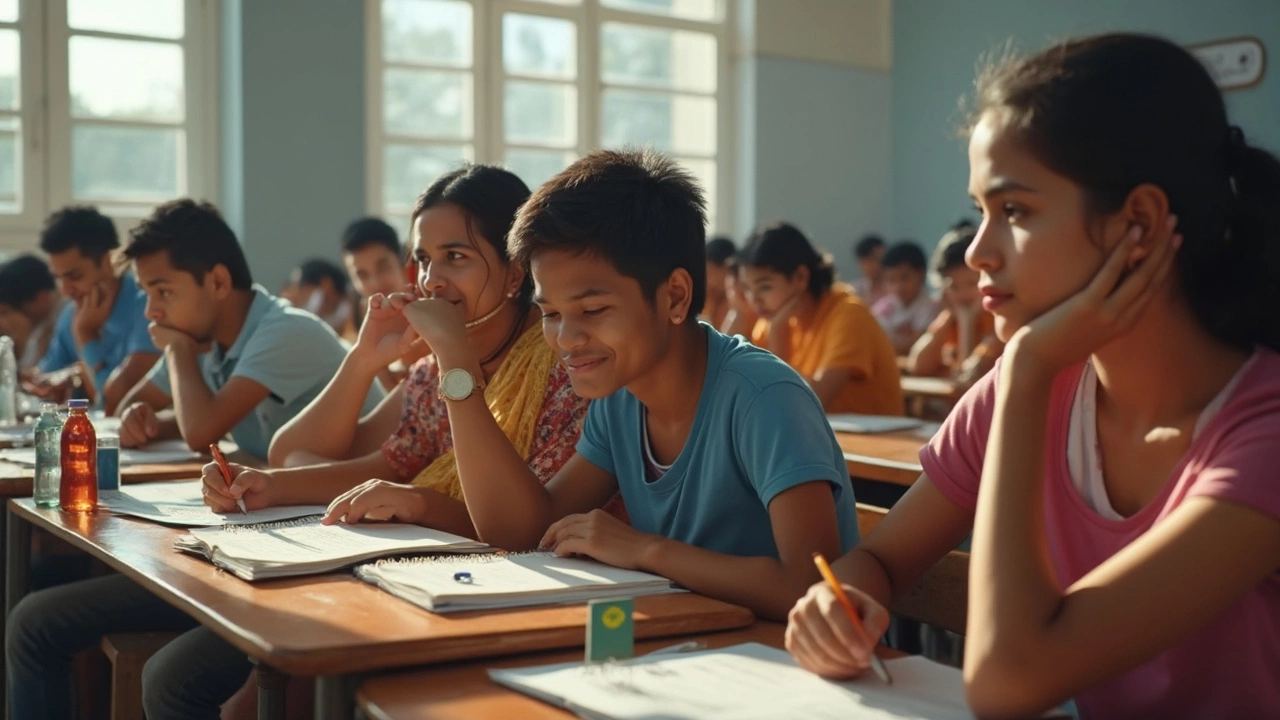
When we talk about competitiveness, the intense drive to outperform others in academic and professional settings. It’s not just a buzzword—it’s the engine behind India’s education system. From the moment a child starts preparing for entrance exams, competitiveness becomes a constant companion. It’s what pushes students to wake up at 4 AM for JEE Mains, to memorize constitutional articles for UPSC, or to grind through case studies at 2 AM for an MBA interview. But this same force can also break people—if they don’t learn how to manage it.
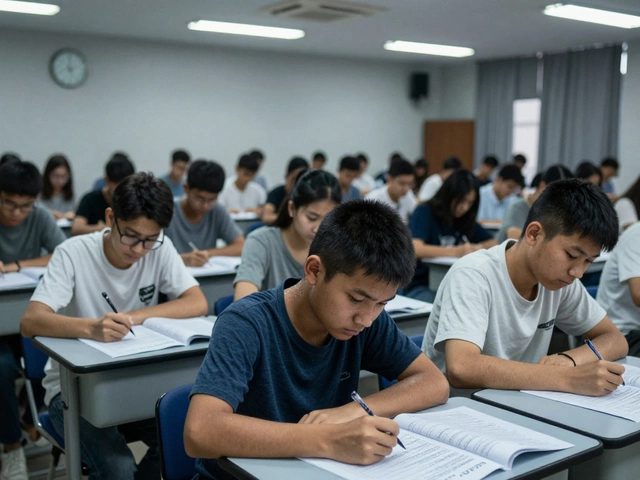
Competitive exams, high-stakes tests that determine access to top institutions and government roles like IIT JEE, NEET, and the UPSC Civil Services Exam are where competitiveness becomes visible, measurable, and brutal. Only a fraction of applicants make it. For every one person who clears the UPSC, over 10,000 try. That kind of pressure doesn’t just test knowledge—it tests resilience, sleep, and sanity. And it’s not just about the exams themselves. Exam stress, the physical and emotional toll of high-pressure testing environments shows up in anxiety, burnout, and even depression. A 2023 study by the Indian Psychological Association found that 68% of students preparing for top exams reported symptoms of chronic stress. This isn’t normal. It’s systemic.
But competitiveness isn’t all bad. When channeled right, it builds discipline, sharpens problem-solving skills, and creates a culture of excellence. The difference lies in how you relate to it. Are you competing against others to prove you’re better? Or are you competing against your past self to become better? The best performers don’t just study harder—they study smarter. They know when to rest. They avoid toxic comparisons. They treat setbacks as data, not defeats. That’s the kind of competitiveness that lasts.
And it’s not just students. Parents, teachers, and coaching centers all feed into this system. Schools push rankings. Coaching institutes sell hope. Social media shows only the winners. No wonder so many feel like they’re running on a treadmill that never stops. But awareness is growing. More people are asking: Is this worth it? Can we make competitiveness healthier? The posts below answer that question—with real stories from students who cracked the system, broke down under it, and rebuilt themselves after.
Here, you’ll find honest takes on what makes exams like Gaokao, IIT JEE, and the USMLE so tough, how mental health is being ignored in the race for top ranks, and which degrees actually help—or hurt—your chances. You’ll see how CBSE’s structure fuels competitiveness across India, why some MBA programs are designed to break you, and what to do when the pressure becomes too much. This isn’t about winning. It’s about surviving—and thriving—on your own terms.