How to Volunteer for Local Government: Steps, Tips, and Real Opportunities
Explore real ways to volunteer for local government, from council boards to advisory groups, and learn how you can genuinely help your community and boost your career.
When you hear community service, voluntary work done to help others without pay, often organized through schools, NGOs, or local groups. Also known as volunteer work, it's more than a checklist item—it's a way to connect with your surroundings and understand real problems. In India, where millions face gaps in education, healthcare, and basic infrastructure, community service isn’t optional—it’s essential. It’s not just about cleaning a park or handing out books. It’s about seeing how systems work—or don’t—and realizing you can be part of the fix.
Student volunteerism, young people taking initiative to serve their communities as part of their learning is growing fast in Indian schools and colleges. CBSE even includes it in its curriculum guidelines. Why? Because it builds empathy, leadership, and problem-solving skills that no textbook can teach. A student who tutors underprivileged kids learns patience. One who organizes a blood drive learns logistics and persuasion. These aren’t soft skills—they’re survival skills in any career.
And it’s not just for students. Social responsibility, the ethical obligation to act for the benefit of society is becoming a core value for universities and employers. Top MBA programs in India and abroad ask: "What did you do for others?" Not just what grades you got. A student who ran a literacy camp in rural Bihar stands out more than one who scored 95% but never stepped outside their comfort zone.
Some think community service is just for the rich or the privileged. But that’s not true. You don’t need money to help. You need time. You need care. You can teach a neighbor’s child to read. You can collect old uniforms for a school in another town. You can use your phone to spread awareness about clean water or mental health. The smallest actions, repeated, change communities.
And here’s the thing: community service isn’t charity. It’s education. It’s training. It’s the quiet kind of preparation that makes you better at everything else—exams, interviews, jobs, life. The posts below show how students in India are turning service into strength—whether they’re preparing for UPSC, applying to MBA programs, or just trying to make a difference before graduation. You’ll see real stories, real impact, and real ways to start today—no permission needed.
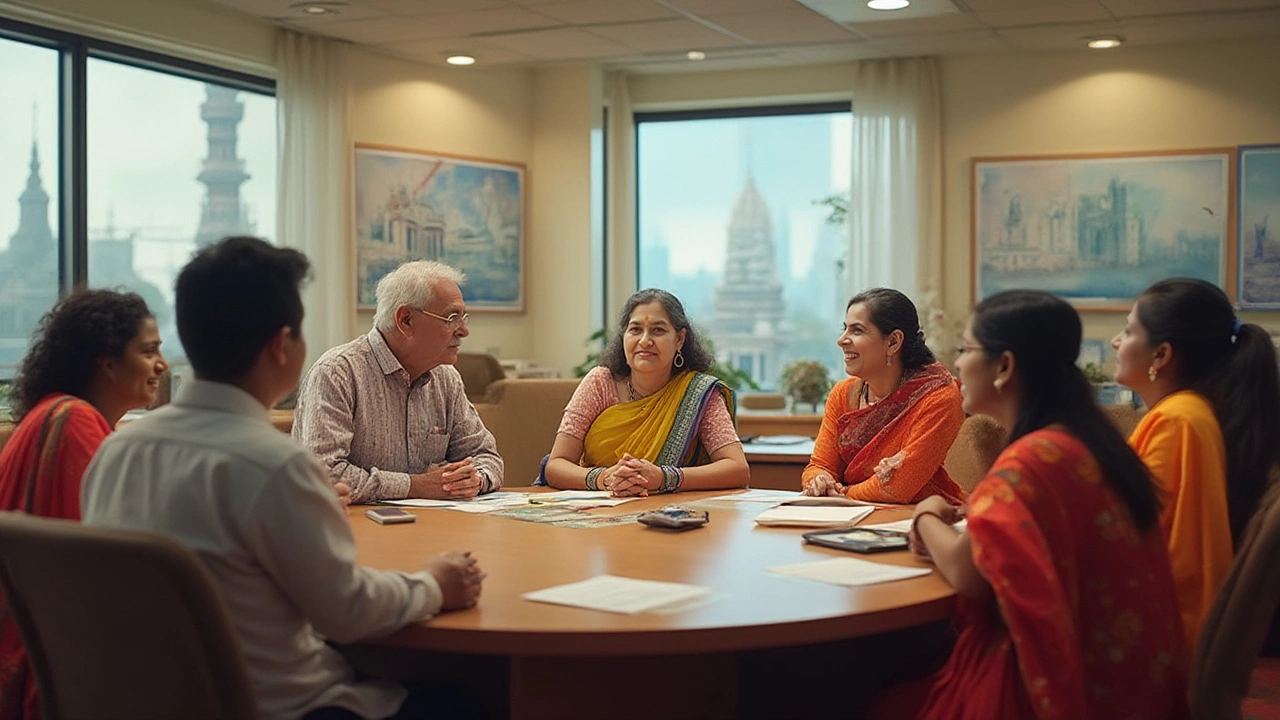
Explore real ways to volunteer for local government, from council boards to advisory groups, and learn how you can genuinely help your community and boost your career.