Communication Skills: What Really Matters and How to Build Them
When you think of communication skills, the ability to share ideas clearly and understand others effectively. Also known as interpersonal skills, it's what separates people who get heard from those who get ignored—no matter how smart they are. It’s not about using big words or sounding polished. It’s about making sure your message lands the way you intend. And in India’s competitive education and job landscape, this one skill often makes the difference between getting selected, promoted, or left behind.
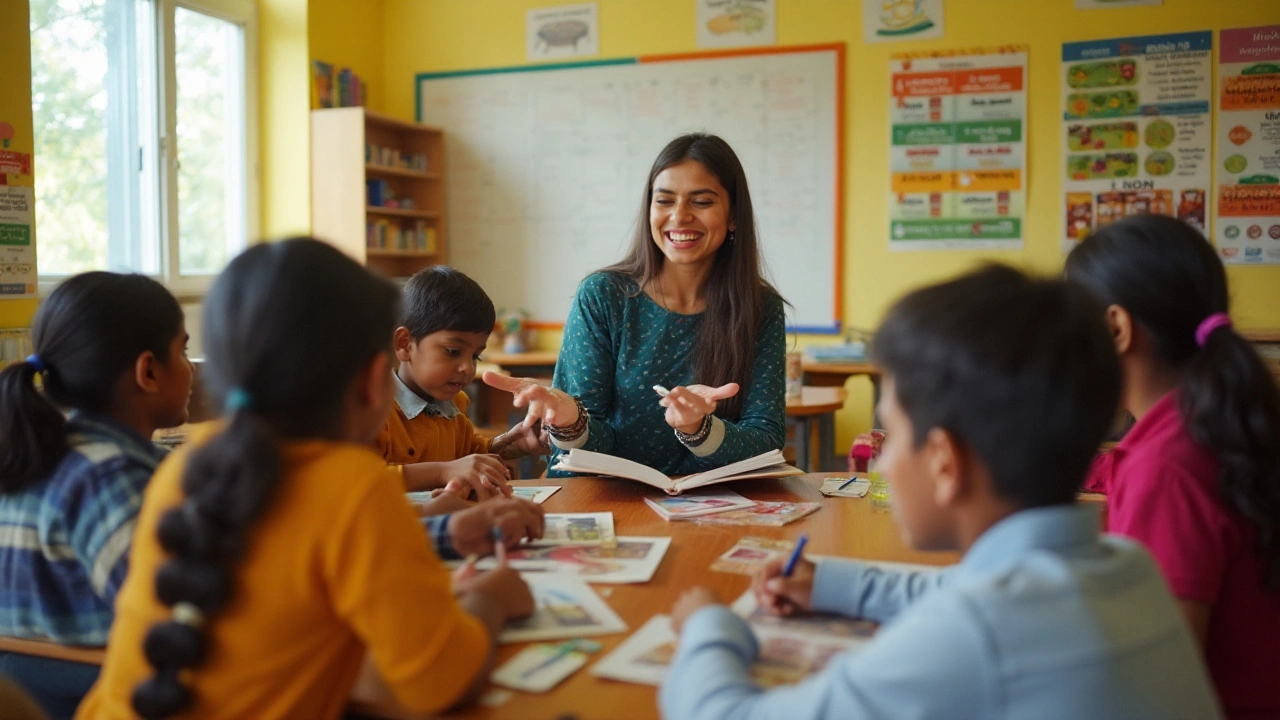
You don’t need a degree in communication to master it. What you need is practice. verbal communication, how you speak clearly, confidently, and with purpose matters more than you think. Whether you’re answering a question in class, presenting in a group project, or sitting for a job interview, your tone, pace, and clarity count. Then there’s active listening, the habit of truly hearing someone instead of just waiting for your turn to talk. Most people think they’re listening—they’re not. Real listening means noticing what’s unsaid, asking follow-up questions, and showing you care. And if you’re preparing for competitive exams or applying to colleges, this isn’t just a nice-to-have—it’s a hidden part of the evaluation.
Public speaking scares a lot of students, but it’s not about being perfect. It’s about being prepared. The same logic applies to writing emails, group discussions, or even explaining your answer to a teacher. You don’t need to be the loudest person in the room. You just need to be clear, calm, and consistent. Many top performers in JEE, UPSC, or MBA interviews aren’t the most brilliant—they’re the ones who explain their thoughts without stumbling. And guess what? That’s not luck. It’s practice.
What you’ll find in the posts below isn’t a list of tips from some guru. It’s real stuff—what works in Indian classrooms, coaching centers, and corporate interviews. You’ll see how communication ties into exam prep, career moves, and even mental health under pressure. Some posts talk about apps that help you speak better. Others show how silence can be powerful. A few even explain why your degree doesn’t matter as much as how you talk when it counts. This isn’t theory. It’s what happens when people actually use these skills to get ahead.