Education in India: What Really Matters for Students, Parents, and Teachers
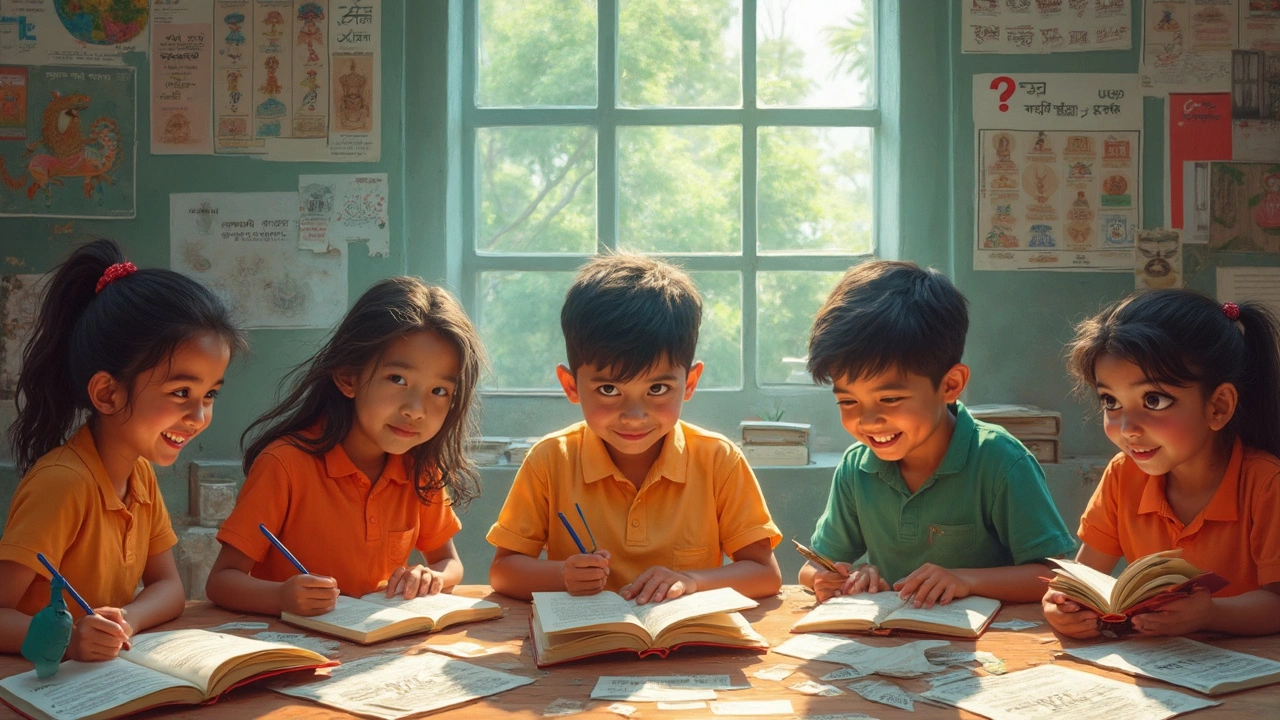
When we talk about education, the system that shapes how millions in India learn, compete, and build careers. Also known as learning pathways, it’s not just about degrees—it’s about survival, opportunity, and sometimes, sheer grit. In India, education isn’t a single path. It’s a maze of boards, exams, coaching centers, and career crossroads. And for most families, the goal isn’t just to pass—it’s to win.
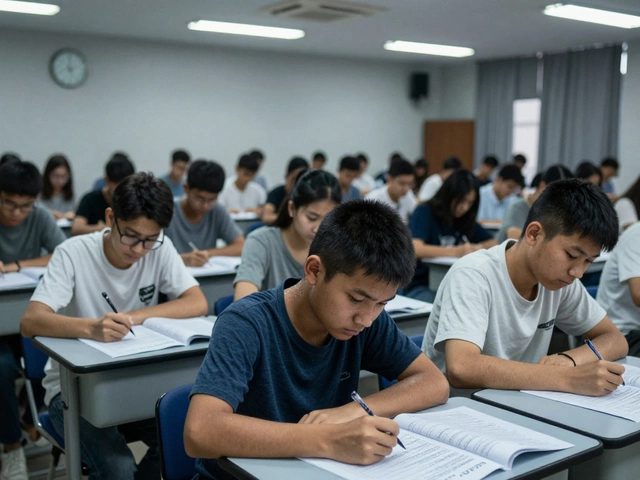
At the heart of this system is the CBSE board, the most popular school board in the world, with over 20 million students following its standardized curriculum. It’s not the fanciest, but it’s the most practical—aligned with JEE, NEET, and UPSC, making it the default choice for families aiming for competitive exams. Then there’s competitive exams, high-stakes tests like IIT JEE, UPSC Civil Services, and Gaokao-style pressure exams that decide futures with a single score. These aren’t just tests—they’re marathons that demand years of focus, sleepless nights, and emotional resilience. And they’re not for everyone, but for those who play the game, they’re the only currency that matters.
But education in India isn’t only about elite exams. There’s another side: vocational education, skill-based training in trades, coding, or healthcare that leads directly to jobs without a four-year degree. It’s growing fast, especially as parents realize not every child thrives in a textbook-heavy system. Meanwhile, the MBA, a degree that promises salary jumps and career switches, has become a second chance for people over 30, non-business grads, and even those who failed their first shot at engineering. It’s not a magic ticket—but when done right, it changes everything.
What you’ll find here isn’t theory. It’s real talk from people who’ve been through it: the teacher who watched students burn out, the parent who chose CBSE over ICSE, the engineer who switched to coding in three months, the MBA grad who proved age doesn’t matter, the student who cracked JEE by mastering mental flexibility instead of memorizing formulas. These aren’t success stories. They’re survival guides.