Dress Code in Indian Schools and Colleges: Rules, Reasons, and Real Impact
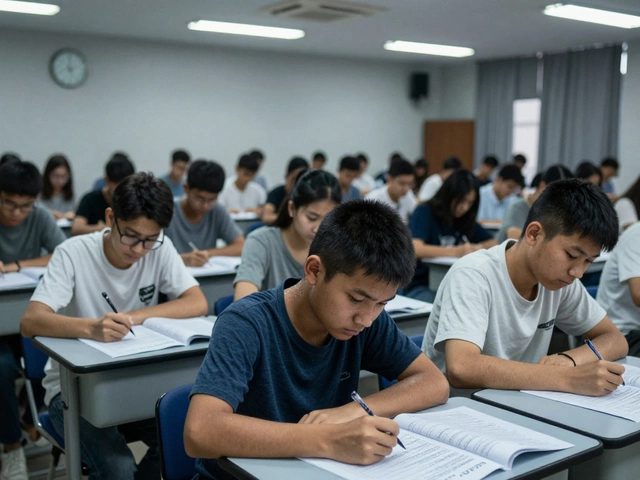
When we talk about dress code, a set of rules that define what students can or cannot wear in educational institutions. Also known as uniform policy, it's one of the most visible, debated, and deeply felt aspects of school life in India. It’s not just about clothes—it’s about control, culture, and conformity. In many Indian schools, the dress code starts the moment a child steps through the gates: white shirts, navy skirts or pants, polished shoes, and sometimes even socks pulled up just right. No hoodies. No jeans. No earrings for boys. These aren’t suggestions—they’re rules, enforced with warnings, detentions, or even public shaming.
But why? Some schools say it reduces distractions, builds discipline, and erases class differences. Others say it’s outdated, stifles individuality, and ignores real issues like gender bias or religious expression. In colleges, the rules loosen—sometimes dramatically. A university in Delhi might allow crop tops and sneakers, while a college in Bihar still bans leggings. The inconsistency isn’t random. It reflects regional values, religious norms, and administrative power. Even school uniform policy, the formalized set of clothing requirements mandated by educational institutions varies wildly between CBSE, ICSE, and state boards. One school might require a blazer; another, just a T-shirt with the logo. And while some parents appreciate the simplicity—no daily outfit decisions, no pressure to keep up with trends—others resent the cost. A single uniform set can run ₹2,000–₹4,000, not counting shoes, ties, or seasonal changes.
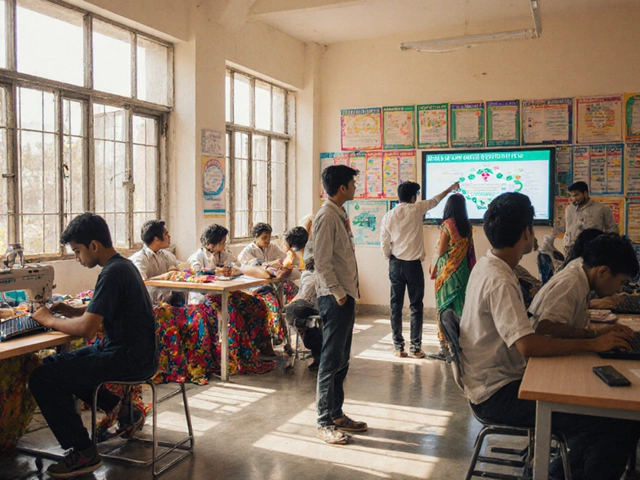
Then there’s the hidden impact. Girls are often told their shorts are "too short," while boys aren’t questioned for wearing shorts. Transgender students struggle to find options that match their identity. Students from low-income families face shame when their uniforms are worn or mismatched. And in competitive exam prep hubs like Kota, where students live in hostels for years, the dress code becomes a symbol of isolation—no personal style, no freedom, just study, sleep, repeat. Meanwhile, some progressive schools are ditching uniforms entirely, letting students choose. The results? Fewer behavioral issues, higher self-esteem, and no drop in academic performance.
What you’ll find in the posts below isn’t just a list of rules. It’s the real stories behind them—the students who fought back, the teachers who enforced them, the parents who paid the price, and the institutions that finally changed. Whether you’re a student, parent, or educator, you’ll see how student attire, the clothing worn by learners in formal educational settings isn’t just fabric—it’s a mirror of power, identity, and inequality in India’s education system.